Provision of MHPSS services for GBV survivors and at-risk women and girls in Yemen
Provision of MHPSS services for GBV survivors and at-risk women and girls in Yemen
 Healthcare and Healthy lifestyle
 Children and youthcategory.medicine-health.title
Project organizer

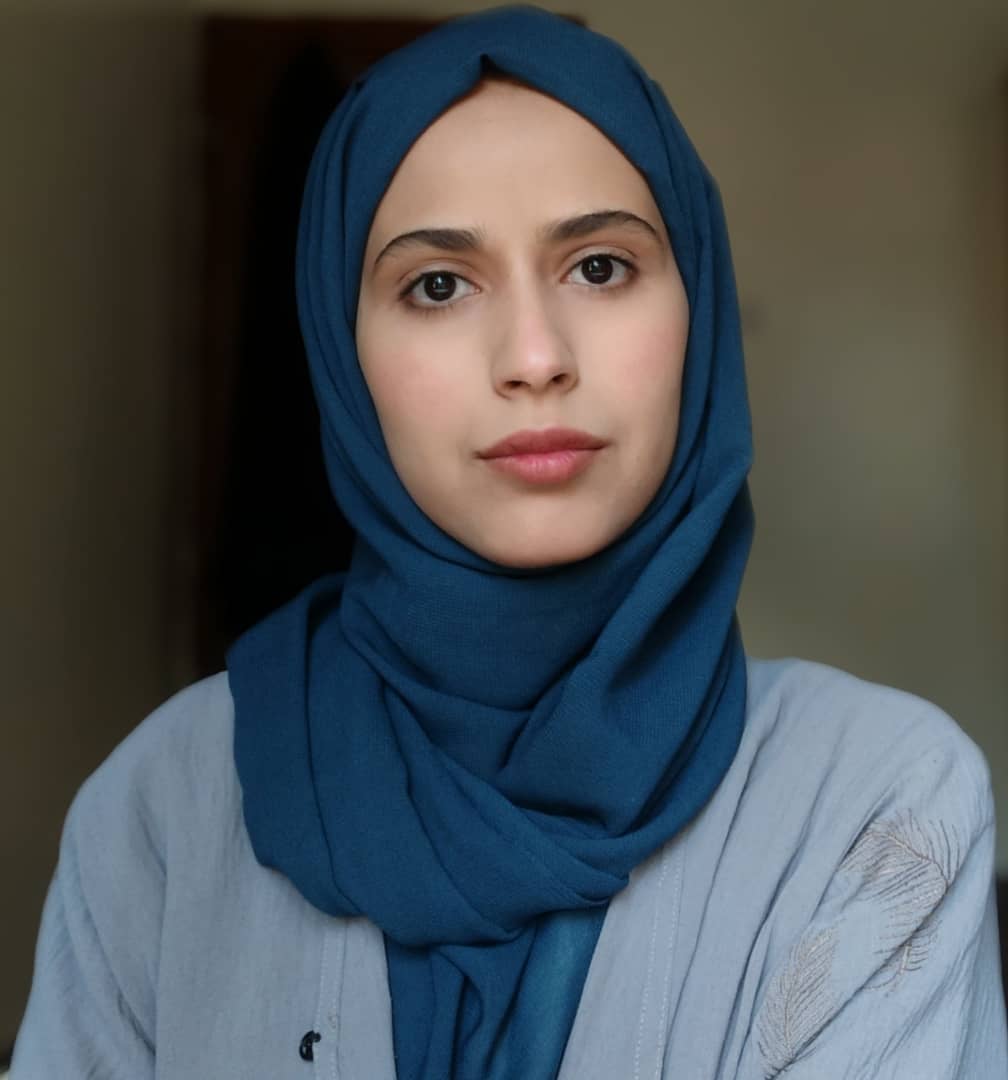


Head of the project
Description
Since 2020, Psychiatric Care Developmental Foundation has been2851 / 3000 implementing a comprehensive Mental Health and Psychosocial Support (MHPSS) project for gender-based violence (GBV) survivors and at-risk women and adolescent girls in Yemen. The project currently operates through four service locations in Ibb, Taiz, Sana'a, and Aden, including partnerships with Al Thawrah General Hospital and Neuro-Psychiatric Teaching Hospital. In addition, remote support is provided nationwide through hotline and tele-counselling services.
The project responds to the growing mental health crisis in Yemen, where years of conflict, displacement, economic collapse, and protection risks have severely affected the psychological wellbeing of women and girls. The project provides free, confidential, and survivor-centred services for vulnerable groups, including displaced women, women with disabilities, women-headed households, marginalized communities, and adolescent girls exposed to violence, trauma, and distress.
The project delivers both specialized and focused MHPSS services. Specialized services include psychiatric consultations, psychological assessments, medication management, individual psychotherapy, rehabilitative support, and inpatient emergency care where available. Focused psychosocial support services include basic counselling, psychological first aid, structured group activities, family and caregiver support, case management, psychoeducation, awareness sessions, and community reintegration support.
To improve access and reduce stigma, PCF integrates MHPSS services into existing public health institutions while also operating dedicated safe spaces for women and girls. This approach helps beneficiaries access care in a safer, more sustainable, and culturally appropriate environment.
The project also strengthens local capacity by training general practitioners, psychology students, psychosocial support workers, and service providers on mental health identification, psychosocial interventions, survivor-centred approaches, and referral pathways. Continuous clinical supervision and mentorship are provided to improve service quality and expand the availability of MHPSS support in underserved communities.
In addition, the project conducts community awareness activities on mental health, GBV, and protection issues to reduce stigma and encourage early help-seeking. Through partnerships with humanitarian actors, health institutions, and protection service providers, the project ensures integrated support and referral services for beneficiaries.
Since 2020, the project has directly reached more than 138,000 beneficiaries and continues to serve as one of the few accessible and specialized MHPSS initiatives for vulnerable women and girls in Yemen.
Video for the project : https://www.youtube.com/watch?v=xJPgrwttPGc&t=1s
Project goals
To improve the mental health, psychosocial well-being, protection, a1n7d0 / 3000 resilience of gender-based violence (GBV) survivors and at-risk women and adolescent girls in Yemen
Results of the project
1. Improved psychological well-being, coping ability, and emotional stability :
Qualitative result:
Beneficiaries report reduced symptoms of psychological distress. Many women and girls describe feeling safer, more emotionally stable, and better able to manage daily life challenges after receiving services. Survivors also report increased hope, self-confidence, and a stronger sense of control over their lives.
Ways to measure:
• Pre- and post-service psychological assessments using standardized tools adapted to the context
• In-depth interviews with beneficiaries to explore changes in emotions, functioning, and coping strategies
• Focus group discussions (FGDs) with women and adolescent girls on perceived changes in well-being
• Case studies documenting recovery and improvement over time
• Clinician observation notes recorded during follow-up sessions
2. Reduced stigma and increased help-seeking behavior
Qualitative result:
Community members, caregivers, and families demonstrate improved awareness of mental health and GBV issues. There is increased acceptance of seeking psychological support, reduced stigma around mental illness, and greater willingness to refer women and girls to services earlier.
Ways to measure:
• Pre- and post-awareness session feedback surveys
• Focus group discussions with community members and caregivers
• Observation of changes in referral patterns and self-referrals to services
• Qualitative feedback collected during community outreach and psychoeducation sessions
• Key informant interviews with community leaders and local stakeholders
3. Strengthened capacity and confidence of service providers
Qualitative result:
General practitioners, psychologists, psychosocial support workers, and trainees report improved knowledge, clinical skills, and confidence in identifying mental health conditions and providing appropriate psychosocial interventions. Providers also demonstrate greater sensitivity toward GBV survivors and improved adherence to survivor-centred approaches.
Ways to measure:
• Pre- and post-training evaluations and self-assessment tools
• Supervisor monitoring and mentorship reports
• Clinical observation during service delivery sessions
• Reflection logs and learning journals from trainees
• Qualitative interviews assessing changes in attitudes, skills, and practice
Project Materials

Photo8
Show All