Last Mile Water: Triggering Sustainable Futures
Last Mile Water: Triggering Sustainable Futures
 Intellectual assistance
Project organizer

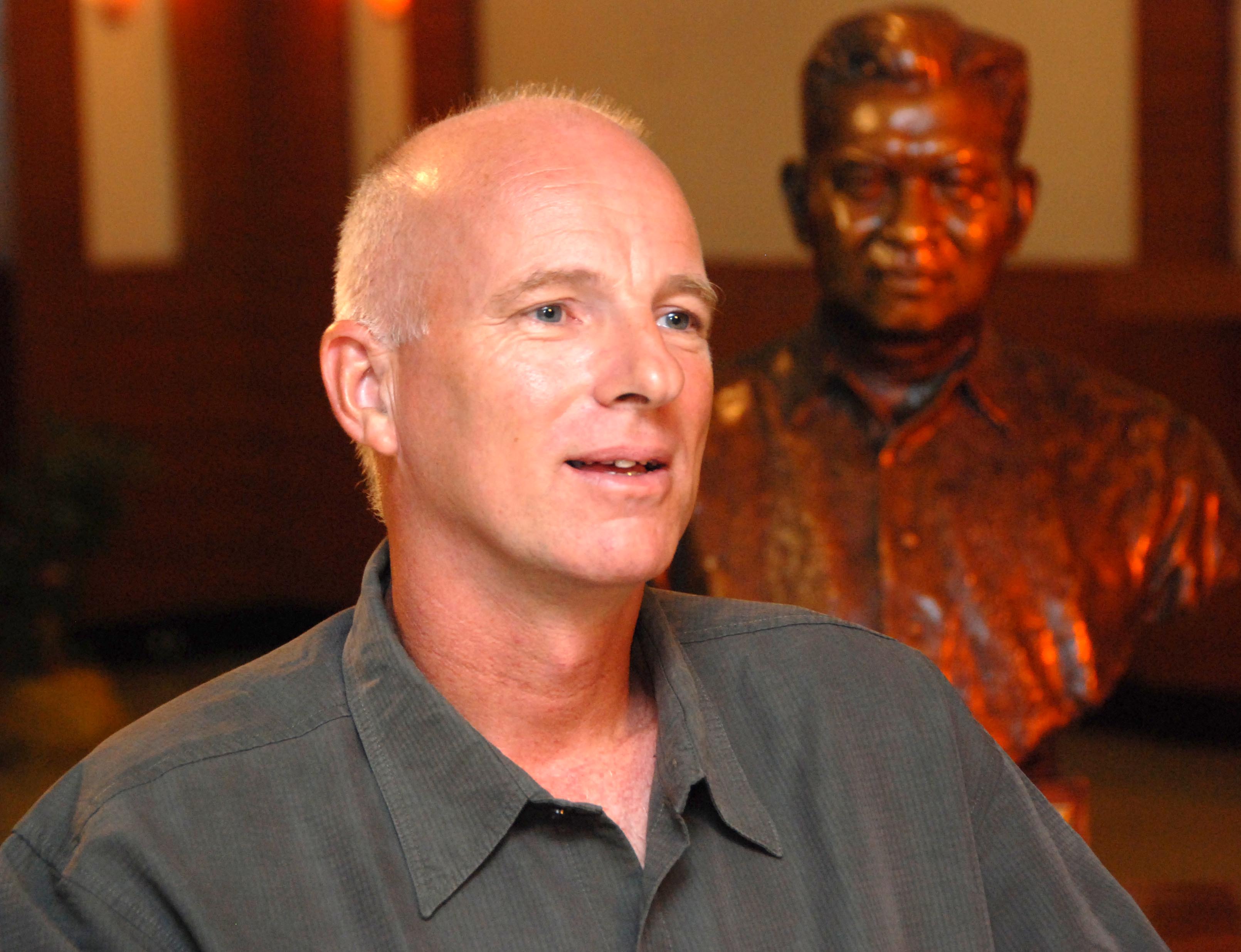


Head of the project
Description
AIDFI’s holistic ram pump water program brings safe and accessible water to remote upland communities that are often excluded from conventional water systems because they are too far, too high, too poor, or too difficult to reach. At the heart of the program is the hydraulic ram pump, a simple and durable technology that uses the energy of flowing water to pump a portion uphill without fuel, electricity, solar panels, or greenhouse-gas emissions. But the project is much more than the installation of a pump.
AIDFI works with the community from the very beginning. Before construction starts, the villagers are organized into a water association that will later own, manage, and sustain the system. Through this process, AIDFI helps revive the Filipino tradition of Bayanihan — the spirit of cooperation, mutual help, and care for one another. This tradition has many local names in different dialects, but the meaning is the same: people come together to solve a common problem. The water association becomes the structure through which this spirit is mobilized and maintained.
Community members contribute many volunteer hours. They attend meetings, help identify water needs, assist in household baseline surveys, clear pathways, carry materials, prepare the route for pipelines, help during construction, and support the installation of reservoirs, tapstands, ram pumps, or water kiosks. Local volunteers also help organize the General Assembly, elect officers, and form committees. Village technicians are selected and trained so that the community itself can operate and maintain the system.
Volunteer opportunities can support both the social and technical sides of the program. Social-work volunteers can assist with household baseline surveys, community profiling, orientation meetings, documentation, women’s and household participation, and strengthening the water association. Technical or hands-on volunteers can support construction, pipeline preparation, installation activities, monitoring, and post-installation follow-up. Volunteers can also help with documentation, storytelling, impact surveys, and learning exchanges between communities.
The program creates direct results: less time and hardship in fetching water, improved health and sanitation, more water for household use, vegetable growing and livestock, stronger local cooperation, and greater involvement of women and village leaders. By combining appropriate technology with community ownership and revived volunteerism, AIDFI’s holistic ram pump program does not simply deliver water. It helps communities build the system, own it, sustain it, and use it as a trigger for wider development.
Project goals
The goal of AIDFI’s holistic ram pump water program is to provide remote upland communities with reliable access to an increased volume of safe and affordable water, while building strong community ownership through volunteerism, cooperation and local management. At the heart of the program is the hydraulic ram pump, a durable technology that uses flowing water to pump water uphill without fuel, electricity, solar panels or greenhouse-gas emissions. The wider goal is not only to install and sustain water systems, but to help communities organize, revive Bayanihan, and trigger further development.
The program reduces the hardship of families who fetch water from distant or unsafe sources, especially women, children, elderly people and persons with disabilities. It improves health and sanitation, promotes inclusion of whole families without discrimination, and gives women strong leadership roles: on average, about 70% of water association officers are women. AIDFI also uses water as a trigger for wider development, such as vegetable growing, livestock raising, hygiene, cooperation, care for the environment and stronger local organization. AIDFI calls this process Cultivating Communities.
The main resources are AIDFI’s field and technical teams, local manufacturing workshop, trained community facilitators, village volunteers, water sources, donated community labor, local materials where possible, and partnerships with local governments, funders and community leaders. AIDFI designs and fabricates the system, organizes the community, trains officers and village technicians, and supports monitoring. The community contributes through meetings, household surveys, route clearing, carrying materials, trenching, construction and participation in the water association.
The method starts with social preparation: orientation, baseline surveys, technical survey, water-source assessment, LGU and barangay consultation, association formation, officer election and basic documents. AIDFI then installs the system with community volunteer labor and trains the association in leadership, bookkeeping, governance, operation and maintenance, tariff collection and environmental care. After turnover, AIDFI continues field visits, digital monitoring, technical support and impact surveys.
Results are evaluated by households and people served, increased water volume, reduced fetching time, system functionality, women’s and vulnerable-group participation, volunteer hours, association performance, payment collection, trained technicians, health and sanitation improvements, and continued cooperation.
After initial results, AIDFI plans to strengthen associations, train more technicians, improve monitoring, install or upgrade Mechanical Water Kiosks where useful, organize Water Summits and learning exchanges, rehabilitate older systems and replicate the model in more communities.
Results of the project
AIDFI’s holistic ram pump water program has improved water access for remote upland communities that previously depended on distant, difficult or unsafe water sources. AIDFI has installed more than 600 ram pump water systems and related water projects, reaching around 300,000 people. These systems bring water uphill without fuel, electricity or greenhouse-gas emissions, making them suitable for poor and remote communities where conventional pumping is often too expensive or difficult.
The program provides site-specific water systems, locally manufactured hydraulic ram pumps, reservoirs, pipelines, tapstands, household water filters where needed, and in some communities Mechanical Water Kiosks for financial sustainability. AIDFI also provides social preparation, household baseline surveys, water association formation and registration, leadership, bookkeeping, governance, operation and maintenance training, village technician training, turnover support, monitoring and impact surveys.
One important result is revived community cooperation. Villagers do not only receive a water system; they help build it. Through their water associations, they contribute volunteer labor for meetings, surveys, route clearing, carrying materials, trenching, construction and installation. This Bayanihan spirit strengthens ownership and helps sustain the system after turnover.
The program also improves inclusion and leadership. Whole families benefit, including women, men, children, elderly people, persons with disabilities, indigenous people and vulnerable households. Women play a strong management role: on average, about 70% of water association officers are women. Local technicians are trained so technical knowledge remains in the community.
Results go beyond water access. Families save time and energy, while more water becomes available for drinking, cooking, washing, sanitation, gardens and small livestock. Communities report improved hygiene, better health, stronger cooperation, more productive time, better school attendance possibilities for children, and more income opportunities. AIDFI calls this wider development process Cultivating Communities.
In the last five years, AIDFI installed 14 holistic ram pump systems serving about 7,000 households, five holistic gravity systems serving about 2,500 households, and rehabilitated 25 older ram pump systems. It also organized 8 Water Summits, bringing together 85 water associations and 234 community representatives to exchange lessons on technical, financial and organizational sustainability.
The long-term achievement is a model combining appropriate technology, volunteerism, community ownership and local management. It proves that sustainable water service in remote areas is possible when communities are organized, trained and trusted as owners of their own systems.

Photo10
Show AllVideo2
Show All